

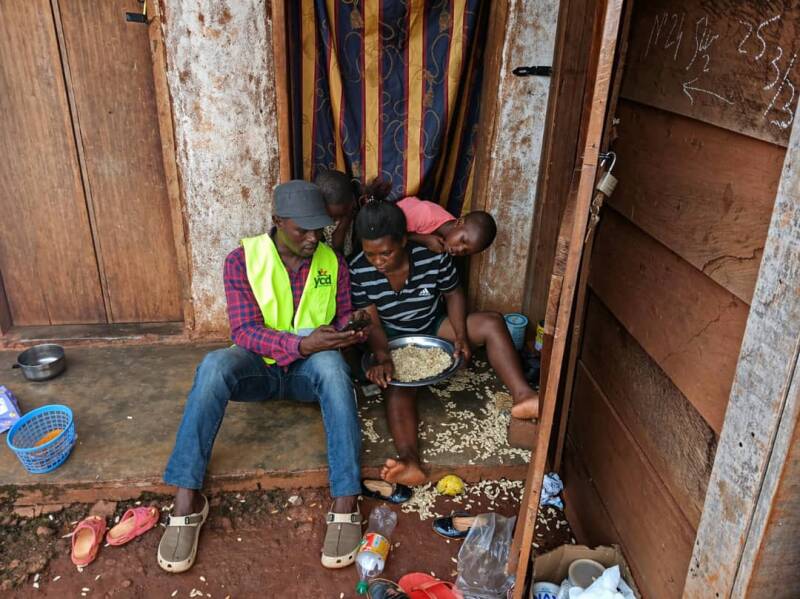
Every solution begins with a problem. For Youths & Contemporary Development (YCD), the idea for the Farmer’s App began with a simple question: How can we use technology to help farmers access useful information and respond more effectively to challenges affecting their farms?
Across Cameroon, farmers face challenges that can affect their productivity and livelihoods, from crop diseases and changing weather conditions to limited access to reliable agricultural information. YCD saw an opportunity to explore how digital technology could make some of this information more accessible.
That idea became the beginning of the YCD Farmer’s App.
From a Problem to an Idea
The Farmer’s App was conceived as a digital solution designed to support farmers with practical agricultural information and guidance.
But having an idea was only the beginning.
The next challenge was figuring out how to turn that idea into something that could actually be used.
YCD began working with young people who had the technical and creative skills needed to develop the solution. The project brought together young people with different skills and interests, creating an opportunity for them to apply what they knew to a real problem affecting communities.
The app began to take shape.
And, as with many new ideas, the first version was not the final version.
Building, Testing and Learning
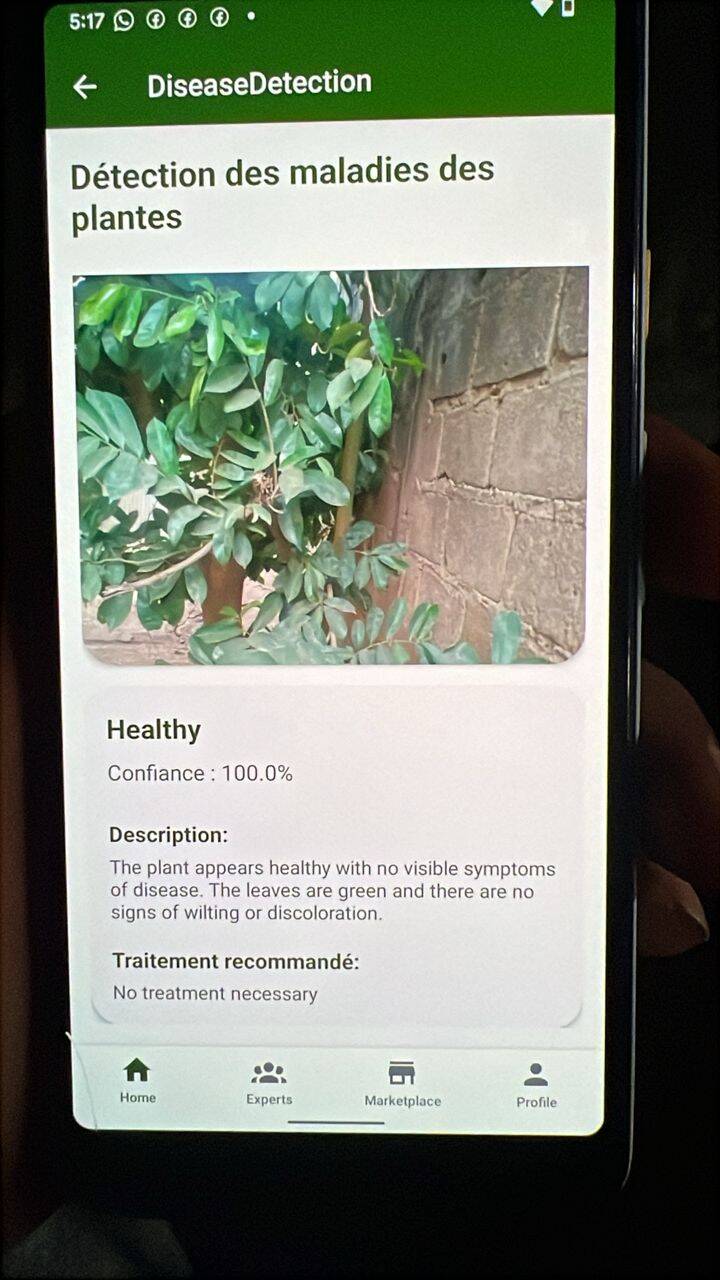
As development continued, YCD began looking for opportunities to take the idea beyond the team.
Competitions, hackathons and pitching opportunities became important parts of the journey.
These experiences gave the team opportunities to present the Farmer’s App to people outside the organization, explain the problem it was trying to solve, answer difficult questions and receive feedback from people with different perspectives.
Some of the feedback challenged our assumptions. Some questions revealed areas that needed more work. Some suggestions helped us think differently about how the solution could be made more practical and accessible to farmers.
Each experience became part of the development process.
Rather than seeing competitions simply as opportunities to win, YCD began using them as opportunities to learn, improve and test the strength of the idea.
The team participated in different pitching and innovation opportunities, including hackathons and competitions where the Farmer’s App progressed to later stages and achieved strong results.
One of the memorable moments came during a hackathon in Yaoundé, where the team placed second. Other pitching experiences also exposed the project to new audiences, questions and feedback.
These milestones mattered, but the lessons behind them mattered even more.
The Farmer’s App was becoming more than an idea on paper. It was becoming a solution that had been questioned, presented, challenged and improved.
Taking the Idea Further
As the project developed, YCD continued looking for opportunities to strengthen the solution and find the support needed to take it further.
As the idea developed, the team began taking the Farmer Guide into competitions and pitching spaces. In March 2026, YCD placed second at Impact Month 2026 in Buea. A month later, the team participated in Farmer Hack 2026 in Yaoundé, where they placed third.
The team followed the YCM Challenge through its different stages, presenting and refining the project along the way.
Reaching the later stages of the challenge was another important milestone for the Farmer’s App. The project eventually received a small grant that created an opportunity to move into a new phase: testing the solution with farmers.
This was an important shift.
Until this point, much of the work had focused on developing the idea, building the technology, pitching it and improving it based on feedback.
Now came a different question:
What happens when real farmers use it?
Moving From Development to the Field
The Farmer’s App is now entering a more focused testing phase.
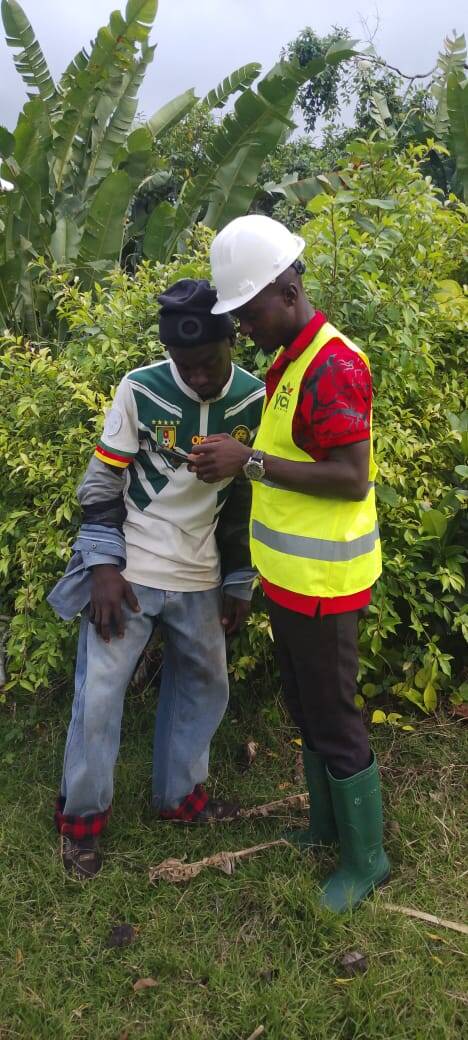
YCD is working to connect with farmers from selected regions of Cameroon so that they can use the solution, share their experiences and provide feedback on what works and what needs to change.
This phase is important because a solution designed for farmers cannot be fully developed without listening to farmers themselves.
Testing will help the us understand questions that cannot always be answered from behind a computer:
Is the information easy to understand?
Is the solution useful in the farmer’s everyday reality?
Which features are helpful?
What is confusing?
What is missing?
What should be improved?
The answers to these questions will help shape the next version of the Farmer’s App.
What We Have Learned Along the Way
The journey so far has taught YCD that innovation is not a straight line.
An idea can change as you develop it. Feedback can challenge your assumptions. A competition can reveal a weakness you had not noticed. A question from a judge can make you rethink part of your solution. And a conversation with a potential user can completely change how you see the problem.
For YCD, every stage has therefore been part of the learning process.
The competitions and pitching opportunities helped us communicate the problem more clearly and defend the value of the solution. The development process helped us turn an idea into something tangible. The feedback we received helped us identify areas for improvement. And the support we have received has helped us move closer to testing the solution in the communities it is intended to serve.
The Journey Is Not Over
Today, the Farmer’s App is not a finished story.
It is a solution still being tested, improved and shaped.
Our next step is to learn from farmers themselves.
Their experiences will help us understand whether the solution is addressing the needs we set out to address, where it falls short and what we need to change before taking it further.
For YCD, this is what innovation should look like: identify a real problem, build a possible solution, listen, learn, improve and keep moving.
The journey from an idea to a solution does not happen overnight.
For the YCD Farmer’s App, we are still on that journey — and the next chapter will be written together with the farmers we hope to serve.